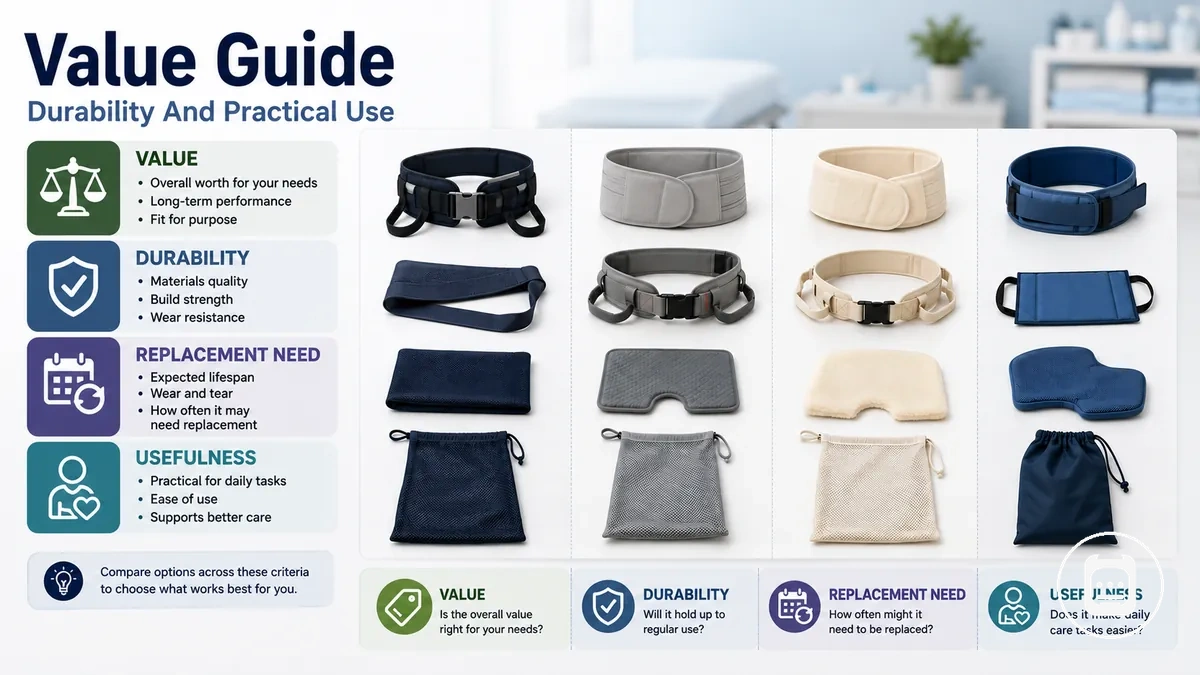
Nursing accessories price and value by durability, reuse, and replacement cost
Nursing accessories are a cost-value decision, not only a price decision. The value of nursing accessories depends on how well they support practical use, daily use, and repeated work demands over time. In this context, value combines price with practical usefulness.
Nursing accessories can vary in value based on durability, reusable design, replacement cost, and how often they are used during shifts. An accessory that remains reliable through repeated handling and routine use may offer stronger long-term value than an option with a lower initial price but a higher replacement need. Reusable accessories can also influence cost-value decisions when they continue to perform well under normal working conditions. The overall value often depends on use frequency, work environment, and the condition of the accessory over time.
This page focuses on nurse work accessories and their role in practical nursing tasks. Because value-related searches can overlap with adjacent meanings such as breastfeeding accessories, the scope here remains limited to nurse work accessories used for organization, support, portability, and daily use. The following sections evaluate value through criteria that help connect price to practical nursing use.
This evaluation frames nursing accessories as a value choice based on durability, reuse potential, replacement cost, and everyday usefulness. The goal is to differentiate short-term spending from long-term value while keeping the focus on informed cost-value decisions for nurse work accessories.
What value means for nursing accessories
Value for nursing accessories means the balance between usefulness during repeated shifts and the price paid for that usefulness. Nursing accessories provide practical value when they continue to support daily work needs while keeping durability, hygiene burden, and replacement need in perspective. The value of nursing accessories is therefore a conditional judgment that can vary by work setting, accessory type, and use frequency.
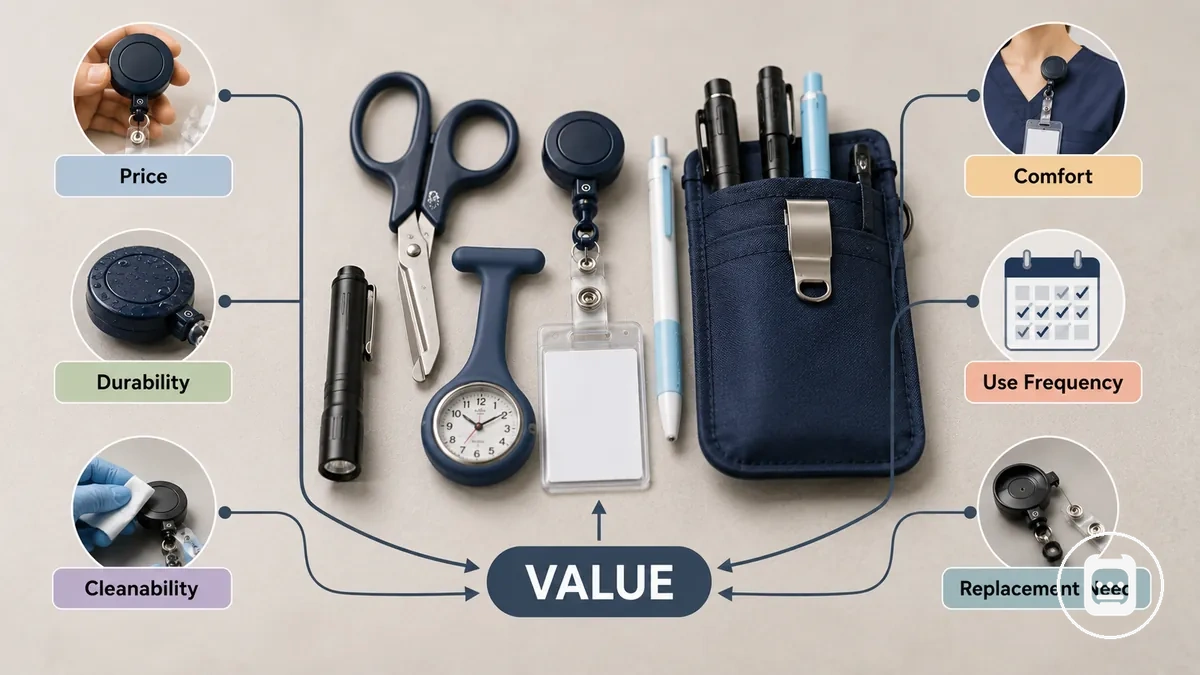
Value for nursing accessories is influenced by usefulness, wear resistance, cleanability, comfort support, portability, and frequency of use. The nursing accessories hub provides broader context for understanding nursing accessories as work tools used across different nursing environments. Hygiene burden can affect practical value because accessories that are easier to clean may remain more suitable for repeated shifts. The importance of each attribute can change based on work setting, shift length, and replacement frequency.
A low upfront price does not necessarily mean a lower long-term cost. Nursing accessories with stronger wear resistance or a lower replacement need may provide greater daily-use value when they remain useful across repeated shifts. What value means for nursing accessories becomes clearer when price is considered alongside practical use, durability, and replacement patterns, and the checklist below highlights the main signals to review.
What value means for nursing accessories can be easier to understand when price, durability, and repeated use are viewed together. The image below clarifies how these factors relate to value.
- Frequency of use during repeated shifts.
- Durability and wear resistance during routine work.
- Cleanability and overall hygiene burden.
- Comfort support during daily use.
- Portability across different work settings.
- Replacement need and its effect on long-term cost.
Nurse work accessories and breastfeeding accessories in value searches
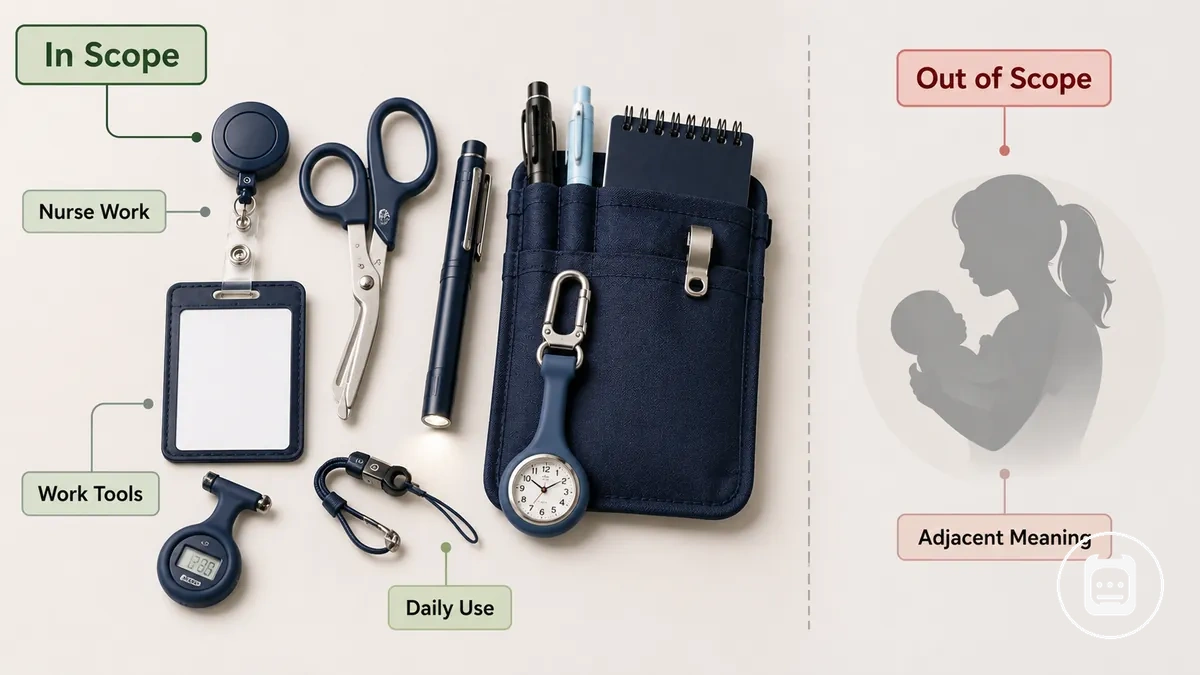
Nurse work accessories are the subject of this page when discussing nursing accessories, price and value, not breastfeeding accessories. The focus is on work tools, organizers, badge items, scissors, penlights, and reusable work accessories used in nursing environments. This scope remains limited to nurse work accessories and their practical value in daily use.
Nurse work accessories and breastfeeding accessories in value searches can appear together because the term “nursing” may have different meanings in a user query. This search ambiguity is a language and intent issue rather than a topic overlap within this article. For this page, relevant value criteria relate to practical use, durability, replacement cost, and daily work requirements.
Nurse work accessories and breastfeeding accessories in value searches can be separated through a clear meaning boundary. The comparison below distinguishes the intended topic from the adjacent meaning.
| Meaning in this page | Adjacent meaning to avoid |
|---|---|
| Nurse work accessories | Breastfeeding accessories |
| Used as work tools, organizers, badge items, scissors, and penlights in nursing environments | Different use context outside this article's scope |
| Evaluated through practical use, durability, and replacement cost | Not evaluated for price and value in this discussion |
| Includes reusable work accessories used during daily nursing work | Excluded from the decision path covered here |
With the meaning boundary established, the discussion returns to nursing accessory value and how nurse work accessories may be assessed through practical use, durability, and replacement considerations.
Price ranges for common nursing accessories
Price ranges for common nursing accessories usually reflect differences in accessory type, material, function, durability, and replacement frequency. Common nursing accessories may fall into budget, mid-range, or premium value tiers based on practical use, build quality, and expected service life. These price ranges are indicative rather than fixed and may vary by market, material, and availability.
Price positioning can differ across accessory groups even when the function appears similar. Material quality, cleanability, shift-use frequency, and replacement risk can influence whether an accessory group is viewed as a budget, mid-range, or premium value option. Durability and repeated daily use may support a higher value tier in some cases, while simpler designs may align with a lower cost-value position. The table below organizes common nursing accessories by value tier and decision signal rather than exact prices.
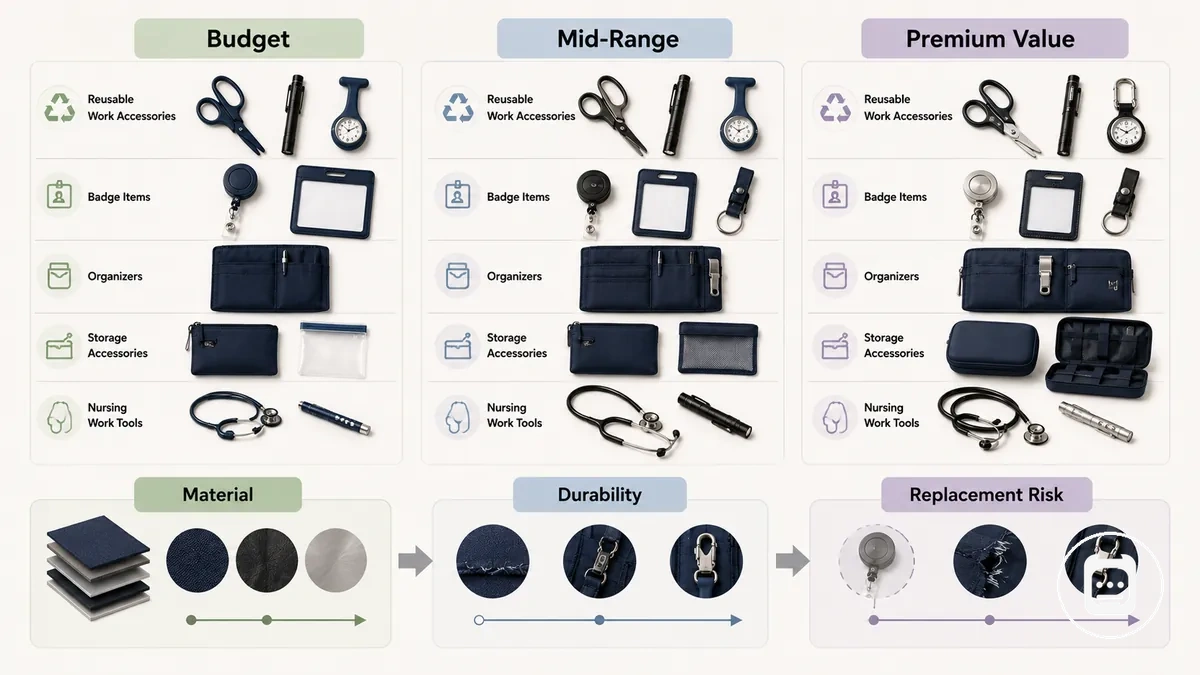
| Accessory group | Typical value tier | Main cost driver | When the price can make sense |
|---|---|---|---|
| Basic organizers and badge items | Budget | Material and function simplicity | When practical use needs are straightforward and replacement risk is acceptable |
| Reusable work accessories | Mid-range | Durability and cleanability | When frequent shift use may benefit from longer service life |
| Storage and carrying accessories | Mid-range | Material quality and daily handling demands | When organization and repeated transport are important |
| Specialized nursing work accessories | Premium value | Build quality, durability, and function | When intensive use may justify higher long-term utility |
Low-cost everyday accessories
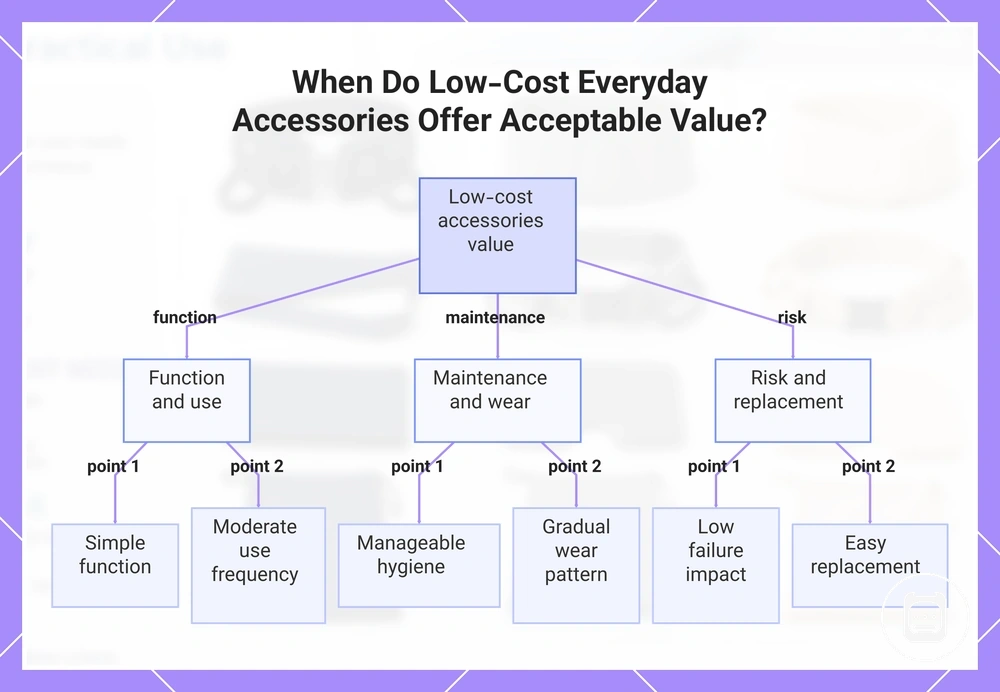
Low-cost everyday accessories can provide acceptable value when their function is simple, hygiene requirements are manageable, and replacement risk remains low. Basic utility items are often evaluated by how consistently they support daily use rather than by cost alone. Low-cost everyday accessories are most appropriate when failure impact remains limited.
The points below show when lower-cost choices may still make sense by connecting function, hygiene, wear pattern, and replacement risk to value outcomes.
- When a basic utility item performs a simple function, a low-cost option may provide acceptable value for routine use.
- When hygiene can be maintained through regular cleaning, lower-cost items may remain suitable for daily use.
- When the wear pattern is gradual and easy to monitor, replacement risk may be easier to manage.
- When failure impact is low, budget accessories may offer a practical value outcome for routine tasks.
- When replacement can occur without significant disruption, simple accessories may remain appropriate for their intended role.
- When use frequency is moderate and demands are limited, low-cost everyday accessories may continue to deliver acceptable value.
This chart shows the conditions under which low-cost everyday accessories can deliver acceptable value based on function, maintenance, and risk factors.
Higher-cost tools and long-shift items
Higher upfront cost can be justified when tools and long-shift items face frequent use, comfort strain, or reliability expectations that affect work readiness. Higher-cost accessories may provide better value when durability, replacement avoidance, or comfort support matters during repeated use. Cost justification depends on a clear work-use reason tied to frequent use or reliability.
Higher-cost tools and long-shift items should be assessed through practical use conditions rather than appearance or branding. The comparison below highlights common cost justification signals.
| Higher cost can make sense when | Higher cost is weaker when |
|---|---|
| Frequent use increases the importance of durability and replacement avoidance. | The item is used only occasionally or under limited demands. |
| Comfort strain during long shifts may affect work readiness. | Comfort differences have little relevance to the intended use condition. |
| Reliability supports repeated daily tasks. | Selection is based mainly on appearance or branding. |
| The value outcome may improve when replacement needs occur less often. | The higher price does not connect to a clear work-use reason. |
Durability and reuse factors behind long-term value
Durability and reuse can turn nursing accessories from a one-time purchase into a long-term value decision when repeated handling is part of daily work. Nursing accessories with suitable materials, construction, and cleaning tolerance may remain useful through repeated use conditions. Durability contributes to long-term value because it can influence lifespan, hygiene, and replacement need over time.
Reuse conditions often involve washing, clipping, carrying, pulling, and frequent pocket use. Nursing accessories experience different levels of wear depending on shift frequency and workplace conditions. Cleaning tolerance can support hygiene when regular cleaning is required, while construction quality may influence how accessories respond to repeated handling. Effects on lifespan and replacement need depend on use conditions rather than a single durability attribute.
Durability and reuse factors behind long-term value are easier to assess when accessory attributes are connected to practical outcomes. Real repeated-use durability is not always the same as cosmetic sturdiness because visible strength may not reflect performance under repeated handling. The table below connects accessory attributes to value signals.
| Accessory factor | Attribute or condition | Value signal | Replacement or hygiene effect |
|---|---|---|---|
| Material quality | Materials exposed to repeated use | May support wear resistance during routine handling | Replacement need may occur less often depending on conditions |
| Clips or retractors | Repeated clipping and pulling | Construction quality can affect continued usability | Wear may influence replacement timing |
| Washable surfaces | Regular cleaning requirements | Cleaning tolerance can support reuse | May help maintain hygiene when cleaned appropriately |
| Carrying stress | Frequent transport and handling | Durability may affect long-term value | Higher wear can increase replacement need |
| Repeated pocket use | Daily insertion and removal | Wear resistance can influence lifespan | Effects vary by shift frequency and workplace conditions |
Materials, construction, and cleaning resistance
Materials, construction, and cleaning resistance influence whether nursing accessories remain useful after repeated handling and routine cleaning. Material quality, construction quality, and cleaning tolerance can affect wear, hygiene, and replacement outcomes under daily work conditions. The material signals below help evaluate materials, construction, and cleaning resistance as long-term value factors.
Material performance depends on use conditions, care, and build quality. Observable features such as seams, clips, retractable parts, washable surfaces, and corrosion resistance can provide useful value signals, although wear and replacement outcomes may vary with repeated handling and work-use resistance.
| Material or part | What to check | Why it affects value |
|---|---|---|
| Material type | Surface condition and resistance to visible wear | Material quality may influence wear patterns and long-term usability |
| Seams | Consistency and condition after repeated handling | Construction quality can affect how the accessory responds to daily stress |
| Clips | Attachment stability during repeated use | Wear in clips may influence continued function and replacement outcomes |
| Retractable parts | Movement consistency under repeated pulling | Repeated handling can affect work-use resistance over time |
| Washable surfaces | Condition after routine cleaning | Cleaning tolerance may support hygiene and continued reuse |
| Corrosion resistance | Signs of surface degradation in work conditions | Material response to work conditions may influence durability decisions |
Replacement frequency and daily-use burden
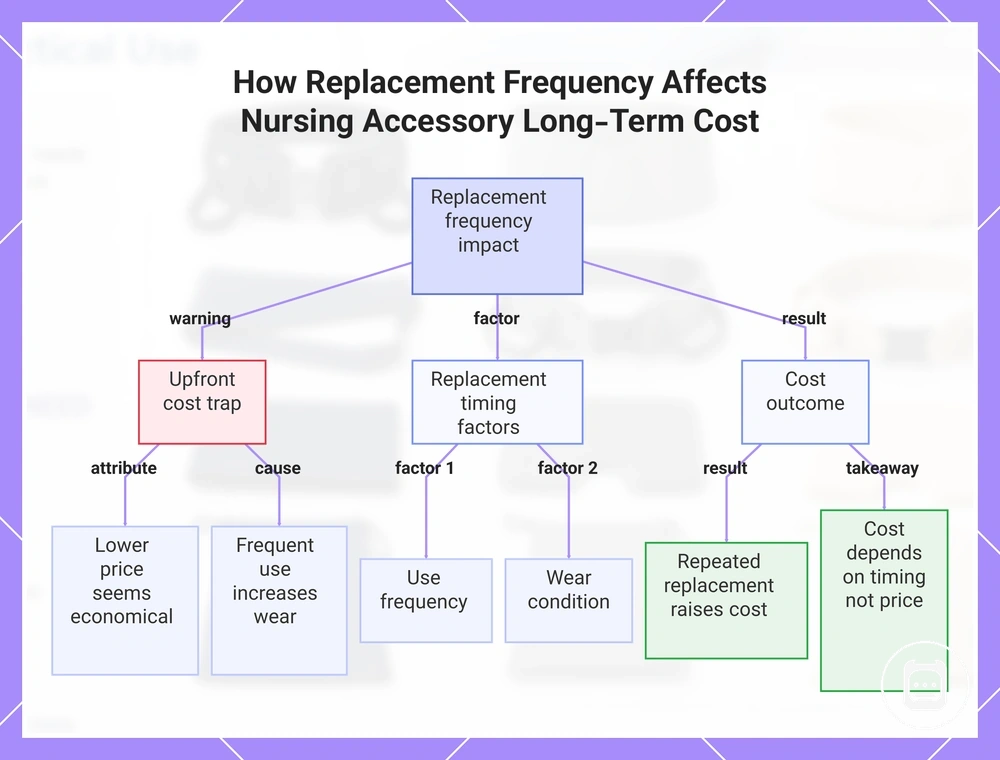
Replacement frequency and daily-use burden affect the real cost of a nursing accessory over time. A nursing accessory with a lower upfront cost may lead to a higher long-term cost when repeated replacement becomes necessary under frequent use conditions. Repeated replacement changes value because real cost depends on use frequency, wear condition, and replacement interval rather than purchase price alone.
Replacement timing can vary based on workplace use, cleaning routine, construction quality, and the wear condition of the nursing accessory. The replacement interval for one accessory may differ from another even when the items serve a similar purpose. When evaluating long-term cost, the criteria behind replacement timing can help assess how replacement frequency influences value.
- A lower-cost nursing accessory may appear economical at the initial purchase stage.
- Frequent daily use can increase wear condition changes over time.
- A shorter replacement interval may result in repeated replacement.
- Repeated replacement can increase cost over time compared with the initial purchase decision.
- Long-term cost outcomes depend on use frequency, wear condition, and replacement timing rather than price alone.
This chart shows how replacement frequency and daily-use burden influence the real cost of nursing accessories over time, contrasting upfront cost with long-term cost drivers.
Nursing accessories worth paying more for
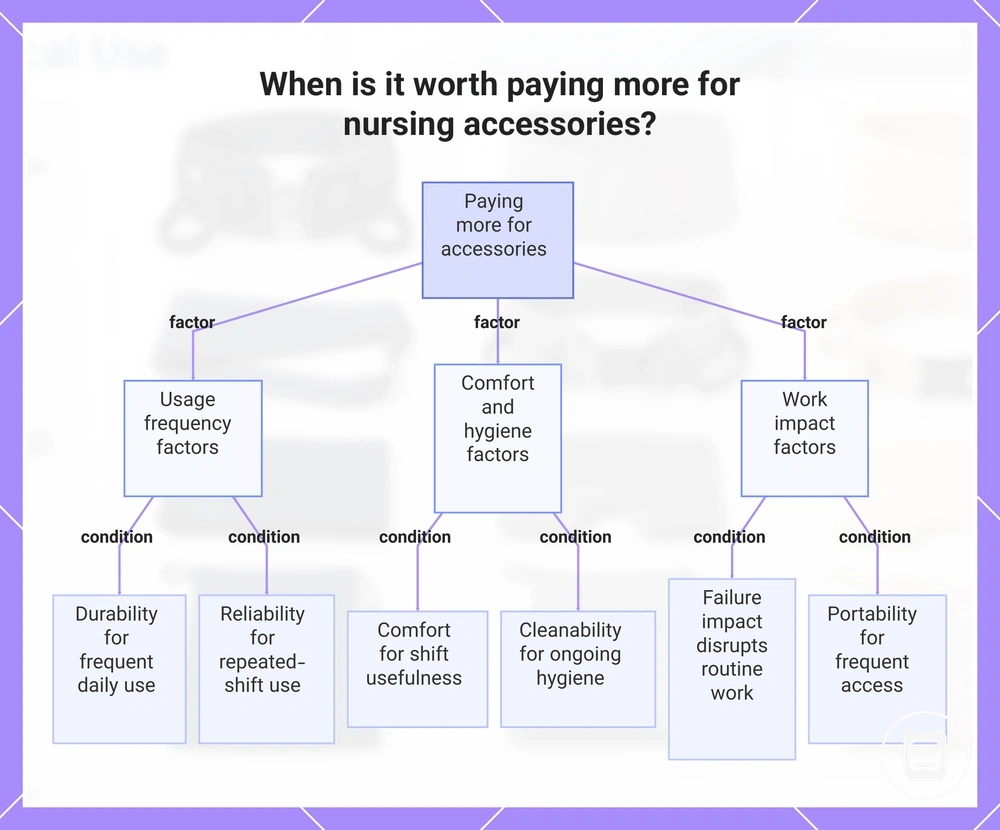
Nursing accessories worth paying more for depend on whether a higher price supports reliability, comfort, hygiene, or repeated-shift usefulness in a measurable way. A higher price may represent better value when an accessory faces frequent use, higher failure impact, or conditions that make durability and cleanability more important. Higher spending is justified when it connects to a clear work-use reason rather than price alone.
Accessory type, condition of use, and decision criteria influence whether paying more is reasonable. Reliability may matter more when an accessory is used repeatedly throughout a shift, while comfort can become more relevant during extended daily use. Hygiene and cleanability may justify higher spending when regular handling and cleaning are part of normal use. Broader buying criteria can help determine whether a higher price reflects a practical upgrade.
A spending tradeoff often becomes clearer when failure impact is considered alongside work frequency. An accessory used occasionally may not benefit from higher spending, while an accessory exposed to repeated handling throughout a shift may justify additional cost when reliability, comfort, or durability affects daily usefulness. The checklist below helps verify whether nursing accessories worth paying more for have a practical reason behind the decision.
- Higher spending may be justified when durability can support frequent daily use.
- Higher spending may make sense when comfort affects repeated-shift usefulness.
- Higher spending may be reasonable when cleanability supports ongoing hygiene needs.
- Higher spending may be justified when failure impact could disrupt routine work activities.
- Higher spending may make sense when portability affects how often an accessory is carried or accessed.
- Higher spending may be appropriate when reliability provides a measurable work-use benefit during repeated use.
This chart shows the key practical work-use conditions that justify higher spending on nursing accessories.
Nurse accessory sets, kits, and bundles by value
Nurse accessory sets, kits, and bundles by value depend on whether the included items match real work needs, support shift use, and reduce unnecessary repeat buying. Bundle value may improve when grouped accessories are useful together and maintain reasonable quality consistency across the accessory mix. The value outcome depends on fit to actual nursing work requirements rather than the presence of more items.
Included items, duplicated tools, and quality consistency can influence whether an accessory set, nurse kit, or bundle provides practical value. A bundle that contains frequently used accessories may offer better usefulness than a bundle that includes items with limited relevance to daily work. Duplicated tools can increase overlap without improving shift use, while differences in durability across included items may affect replacement condition over time. Bundle savings and bundle waste should therefore be evaluated together rather than treated as separate decisions.
Nurse accessory sets, kits, and bundles by value can be compared more clearly when grouped buying is viewed through usefulness, overlap, and quality consistency. The table below compares when grouped accessories may support value and when they may create bundle waste.
| Bundle factor | Value signal | Waste signal | Decision cue |
|---|---|---|---|
| Included items | Most items support real work needs | Multiple items have limited use | Compare the accessory mix to actual shift use |
| Duplicate tools | Little overlap between functions | Duplicated tools add unnecessary extras | Check whether each item serves a distinct purpose |
| Quality consistency | Included accessories show similar build expectations | Large differences in quality reduce overall usefulness | Assess the bundle as a complete group |
| Replacement needs | Replacement condition is manageable across the set | Frequent replacement of key items reduces bundle value | Consider how wear may affect long-term use |
| Shift-use match | Grouped accessories support daily work routines | Items remain unused during normal shifts | Prioritize usefulness over item count |
When bundles reduce duplicate spending
When bundles reduce duplicate spending depends on whether the bundle contents match a real work need and include items that would reasonably be purchased anyway. Bundles may support value improvement when grouped buying helps avoid an unnecessary duplicate purchase and aligns with practical use in a work-shift context. Useful overlap means the included items contribute to the same work need without creating excess duplication.
Replacement avoidance can influence bundle savings when bundle contents continue to support ongoing work needs rather than adding unused accessories. When bundles reduce duplicate spending, the conditions below help verify whether an accessory bundle avoids purchases the nurse would reasonably make separately.
- Bundle contents match a current work need rather than adding items with limited practical use.
- An avoided duplicate purchase occurs because the included items would likely be obtained individually anyway.
- Useful overlap exists when grouped accessories support related work-shift tasks without unnecessary duplication.
- Replacement avoidance may contribute to value improvement when the accessory bundle reduces separate repeat purchases.
- Value improvement is more likely when bundle contents remain relevant to routine use rather than remaining unused.
When individual accessories are the better value
When individual accessories are the better value depends on whether quality, fit, hygiene, durability, or function must match specific work needs. Individual accessories may provide better value when a separate purchase allows the user to prioritize the attribute most relevant to the intended condition of use. Item-level control means selecting each accessory according to a specific requirement rather than accepting a predefined combination.
When individual accessories are the better value, the tradeoff is usually between item-level control and bundle convenience. Individual choice may be more useful when a particular attribute has higher importance than the convenience of grouped accessories.
| Individual accessory is better when | Bundle may still make sense when |
|---|---|
| Quality is the primary selection criterion. | Bundle contents broadly match routine work needs. |
| Fit depends on a specific condition of use. | Item-level customization is less important. |
| Hygiene requirements influence the purchase decision. | Included accessories support related work-shift tasks. |
| Durability expectations differ between accessories. | Bundle convenience aligns with the intended use. |
| Function must match a specific work need. | A grouped selection remains relevant to routine use. |
Comfort and shift-use tradeoffs in accessory value
Comfort and shift-use tradeoffs in accessory value depend on how nursing accessories are used throughout a shift rather than on basic function alone. Two accessories with similar function may provide different accessory value when shift-use demands increase handling frequency, carrying requirements, or wear duration. Comfort becomes part of the value decision when shift conditions influence usefulness, fatigue reduction considerations, or a replacement decision.
Long shifts and repeated access can create different value pressures than occasional use. An accessory that is handled frequently during long-shift use may place greater importance on work-use comfort than an accessory used only occasionally. Repeated access can affect usefulness when the accessory must be reached, carried, or repositioned throughout a shift.
Pocket load and movement can influence how an accessory feels during routine work activities. Heavier pocket load or frequent movement may change practical comfort depending on accessory weight, placement, and fit. These conditions can affect accessory value when they influence continued usefulness during daily work.
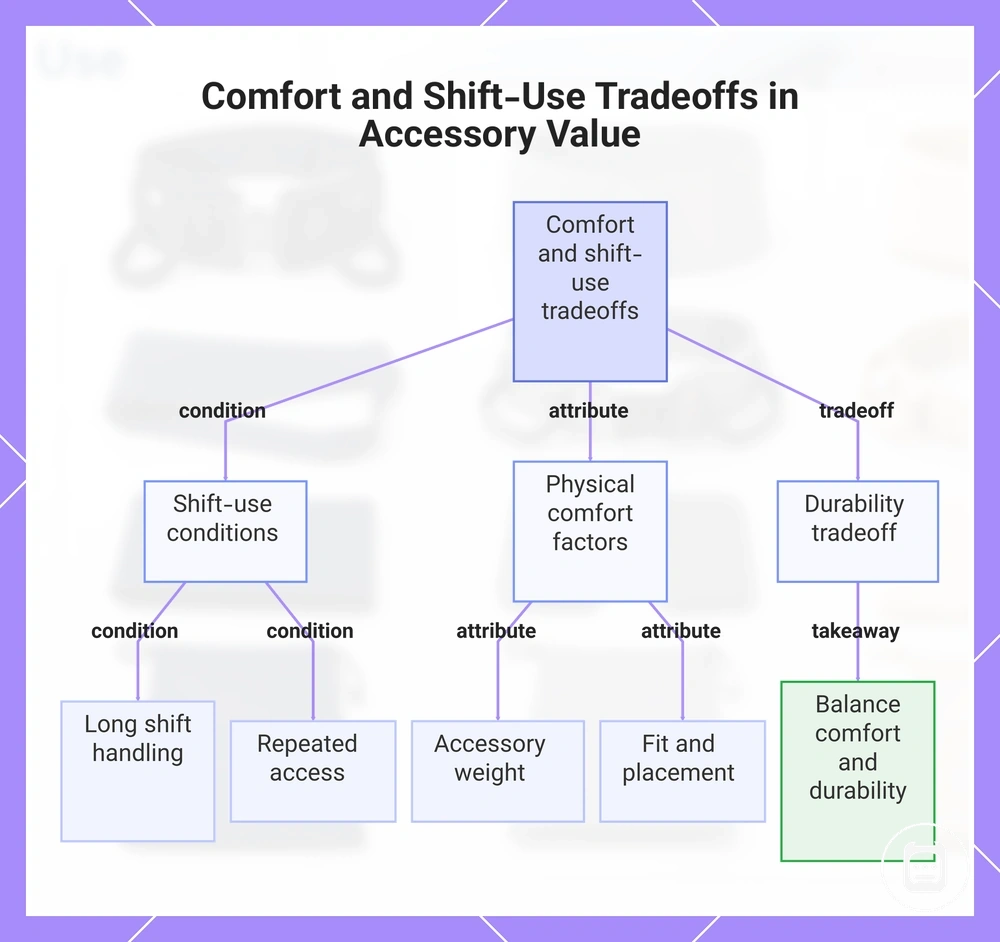
Comfort tradeoffs should be evaluated alongside durability because long-term value often depends on both factors. For a broader view of related criteria, see comfort and durability. The balance between comfort and durability may vary according to shift demands, accessory weight, fit, and condition of use.
- Long wear may increase the importance of practical comfort during extended use.
- Repeated access may make handling convenience more relevant to usefulness.
- Pocket load may influence whether an accessory remains comfortable to carry.
- Frequent movement may affect comfort value depending on fit and placement.
- Long-shift use may increase the relevance of fatigue reduction considerations.
- Lightweight-use situations may place less emphasis on comfort-related value factors.
Comfort and shift-use tradeoffs in accessory value are most useful as decision criteria when they are matched to actual work conditions. A replacement decision may be influenced when comfort limitations reduce usefulness during long shifts, while lightweight-use situations may place greater emphasis on other attributes. Comfort value therefore depends on shift length, accessory weight, fit, repeated access, and the specific condition in which the accessory is used.
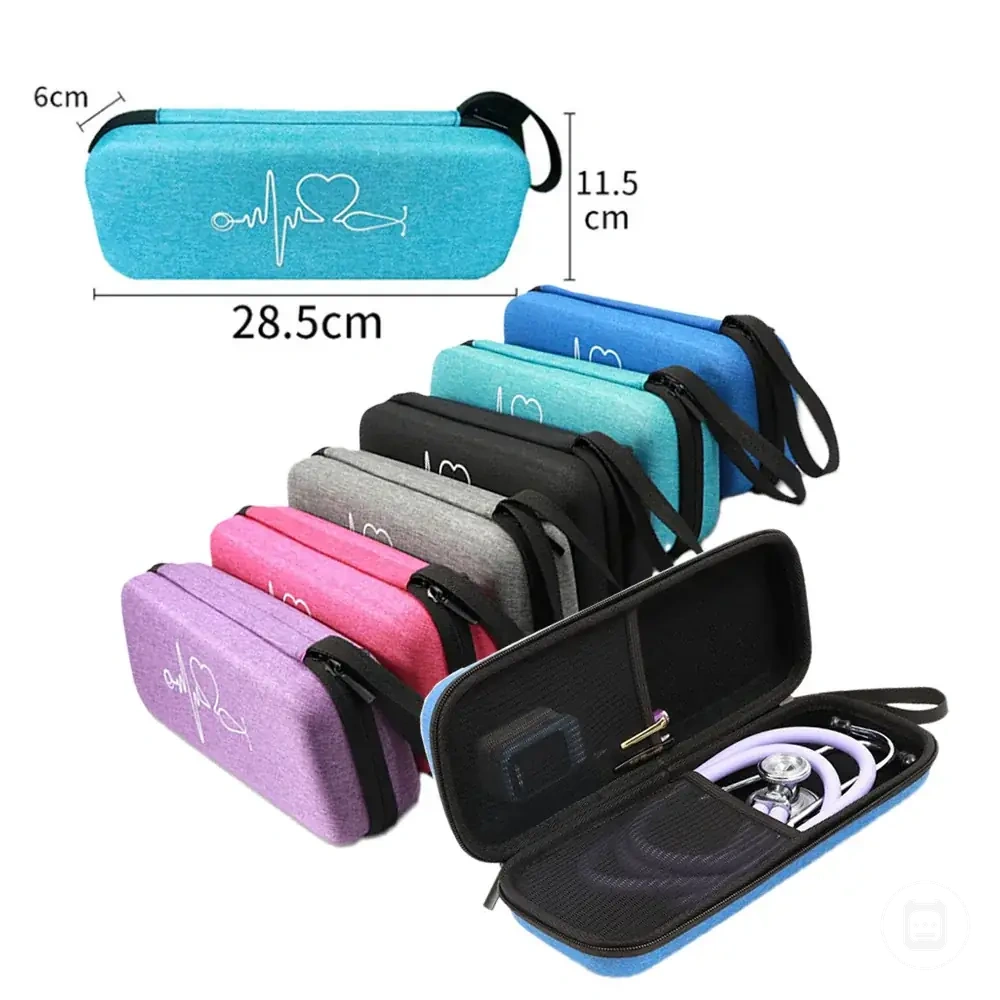
Here are product examples that may make comparison easier. Before buying, always review the compatibility criteria, essential features, and product details.
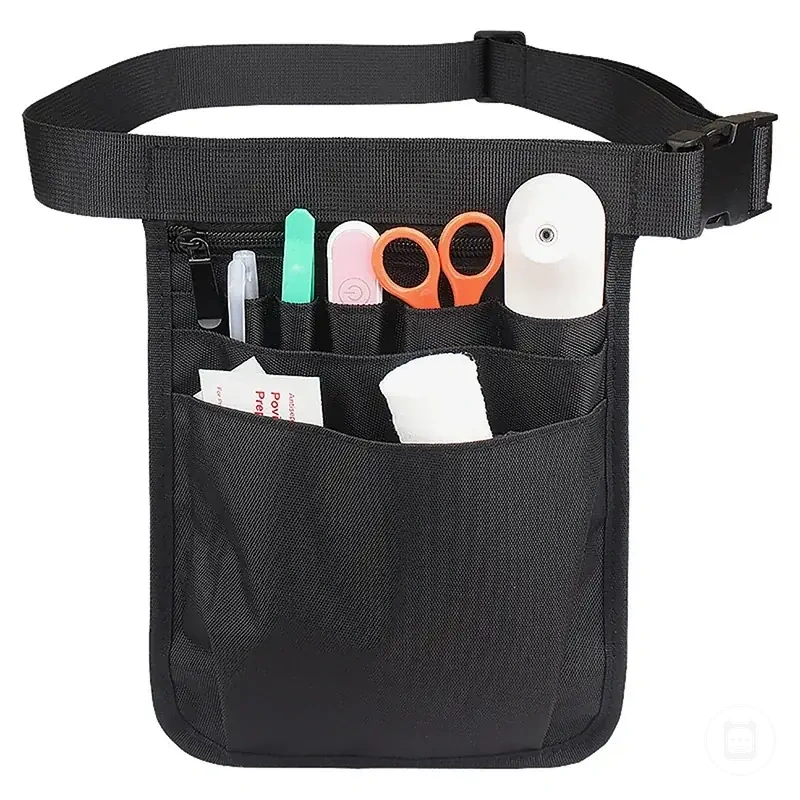
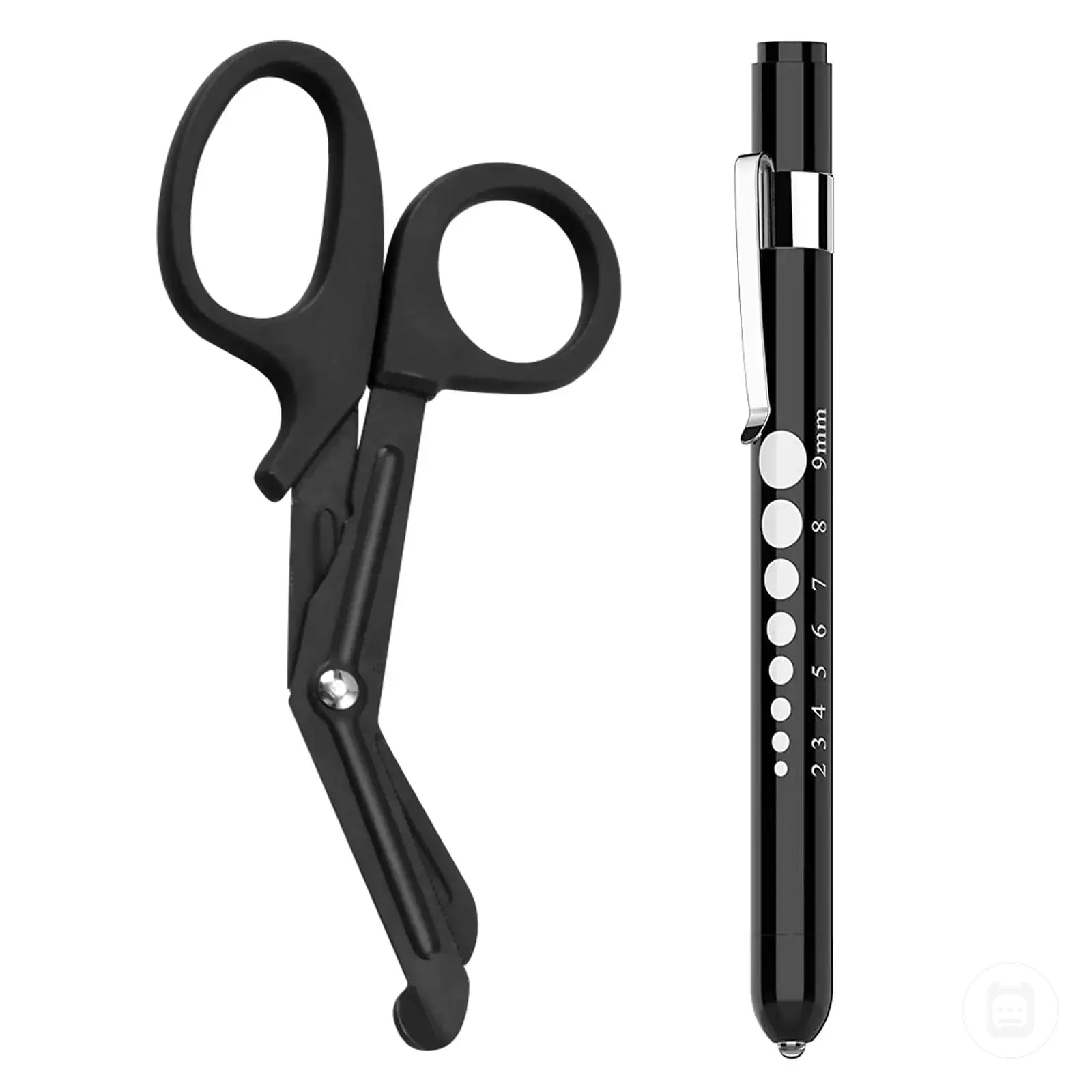
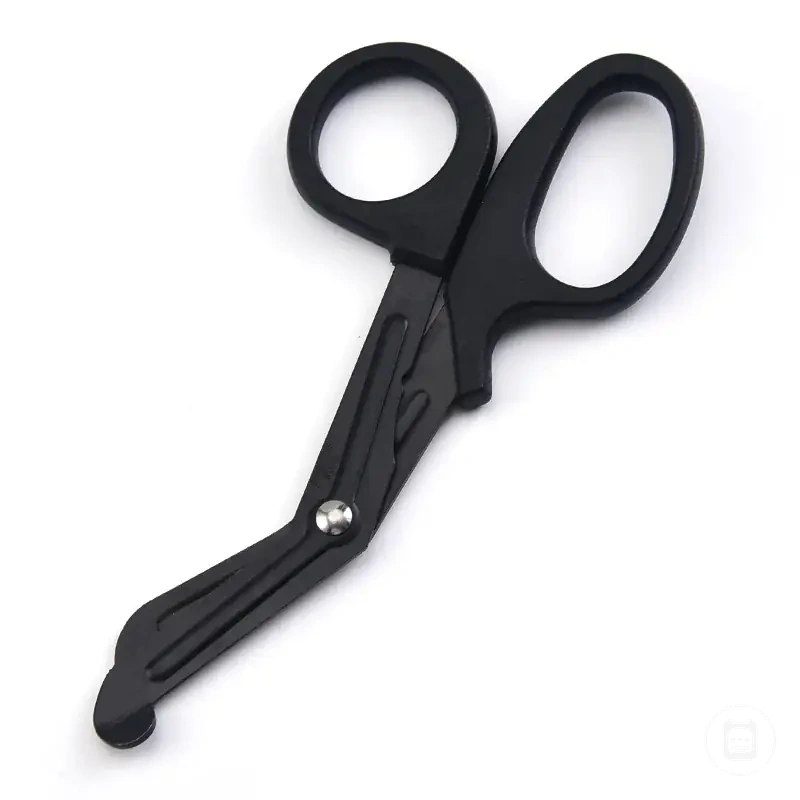
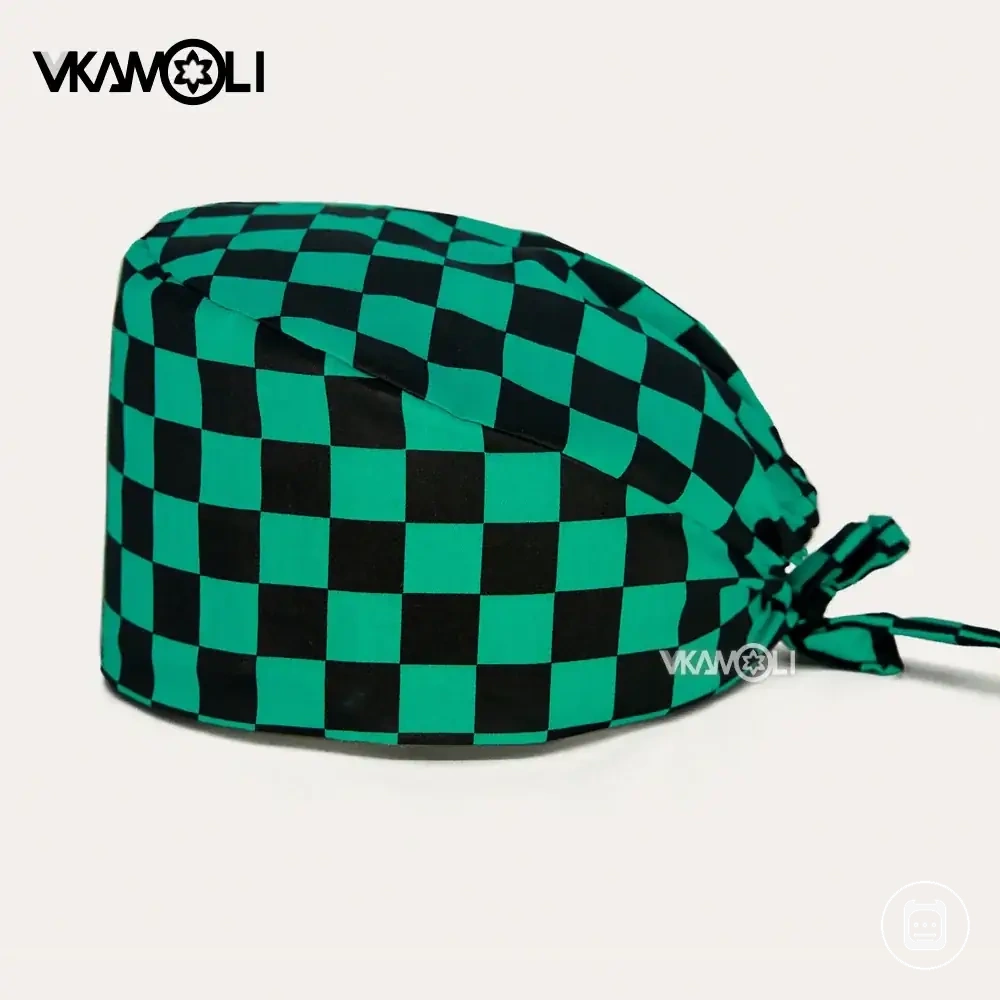
This chart shows the key factors that determine how comfort value depends on shift-use conditions, physical attributes, and durability tradeoffs.
Value mistakes when comparing nursing accessories
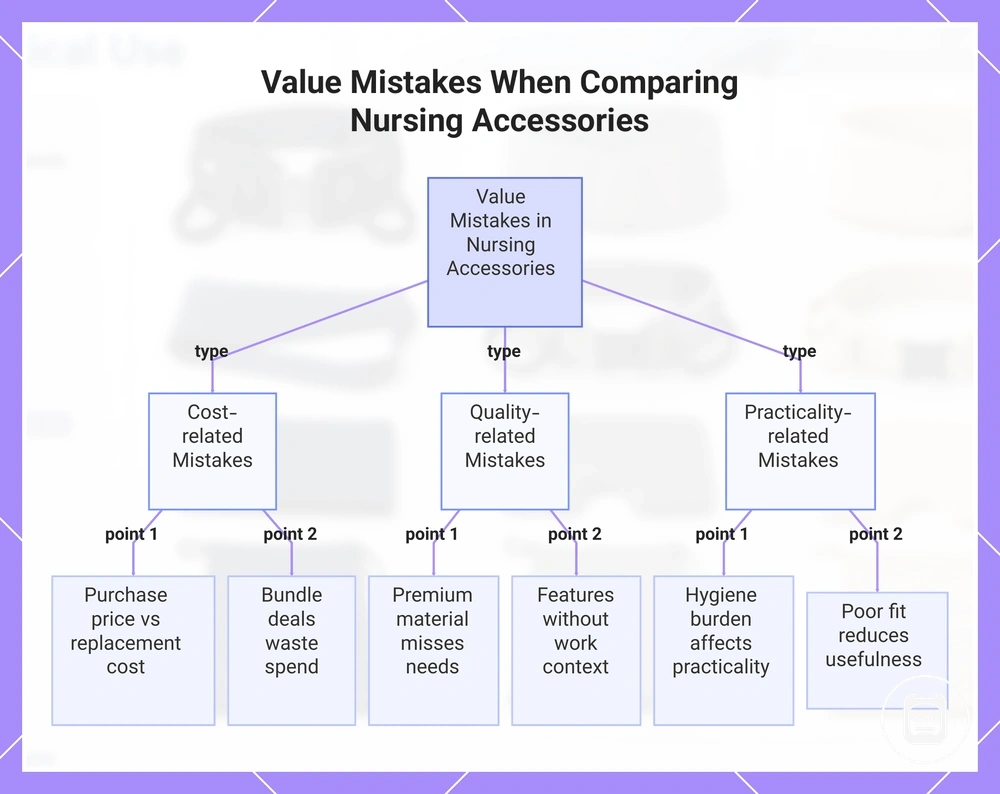
Value mistakes when comparing nursing accessories depend on which criteria are included in the comparison. A nursing accessory may appear cheaper or more valuable than it really is when replacement cost, hygiene burden, poor fit, or unused bundle items are overlooked. These comparison errors can create hidden cost and turn missed criteria into value risks.
Missed attributes often change the outcome of comparing nursing accessories. Replacement cost may become more relevant when a lower-priced accessory faces conditions that can lead to faster replacement. Hygiene burden can affect practicality when cleaning requirements are not considered, while poor fit may contribute to lower work usefulness despite acceptable basic function. Unused bundle items can also increase wasted spend when included accessories do not support routine work needs.
Value mistakes when comparing nursing accessories are not limited to one price level or product type. A low price, premium material, or bundle deal may create misleading value only when an important condition is ignored. The checklist below identifies the mistake, the hidden risk, and the better decision signal.
- Mistake: Comparing only purchase price. Why it matters: Replacement cost may be overlooked when use conditions increase wear. Better check: Compare expected use conditions alongside cost.
- Mistake: Assuming premium material automatically improves value. Why it matters: A missed attribute may matter more than the material itself. Better check: Match material characteristics to actual work requirements.
- Mistake: Ignoring hygiene burden. Why it matters: Cleaning requirements may affect long-term practicality. Better check: Evaluate cleaning and reuse conditions.
- Mistake: Overlooking poor fit. Why it matters: Poor fit may reduce lower work usefulness in routine use. Better check: Assess fit according to the intended condition of use.
- Mistake: Treating every bundle deal as higher value. Why it matters: Unused bundle items can create wasted spend and misleading value. Better check: Confirm that included items support real work needs.
- Mistake: Comparing features without considering work context. Why it matters: Important decision signals may be missed. Better check: Compare attributes against actual use conditions.
This chart categorizes common value mistakes when comparing nursing accessories, including cost, quality, and practicality oversights.