
Nursing accessory organization for faster access during shifts
Nursing accessory organization is a practical access system that helps organize nursing accessories so commonly used items are easier to reach during a shift. The system relies on priority, grouping, placement consistency, and clean separation rather than storing everything in one location. When nursing accessories are arranged around how they are used, faster access becomes the practical outcome.
Nursing accessory organization works best when priority access, grouping, and placement support each other as part of the same shift workflow. Priority helps keep frequently used items within reach, grouping reduces unnecessary searching, and consistent placement makes retrieval more predictable. An organized access system can also help separate compact tools, backup items, and nursing supplies according to their role. For a broader overview of related equipment and usage considerations, visit the nursing accessories hub.
Organization needs can vary by role, department, bag size, pocket space, and workplace policy. A storage system that works in one shift environment may require adjustments in another, especially when different nurse tools, movement patterns, or hygiene requirements are involved. Nursing accessory organization should remain flexible rather than follow a single fixed arrangement.
Different organizer formats can support different access needs. A pocket organizer may help keep compact tools visible, a utility pouch may support hands-free access during movement, and a bag insert may provide compartments for backup items and additional storage depth. The goal is to create a repeatable access system that supports priority, grouping, placement consistency, and clean separation throughout the shift.
What faster access means for nursing accessory organization
Faster access means arranging nursing accessories so commonly needed items can be reached with minimal searching during normal work movements. Nursing accessory organization focuses on keeping commonly needed items visible, within reach, and easy to locate during routine tasks. Faster access is closely connected to reduced searching.
Faster access becomes clearer when nursing accessory organization is viewed as an access-quality system rather than simple storage.
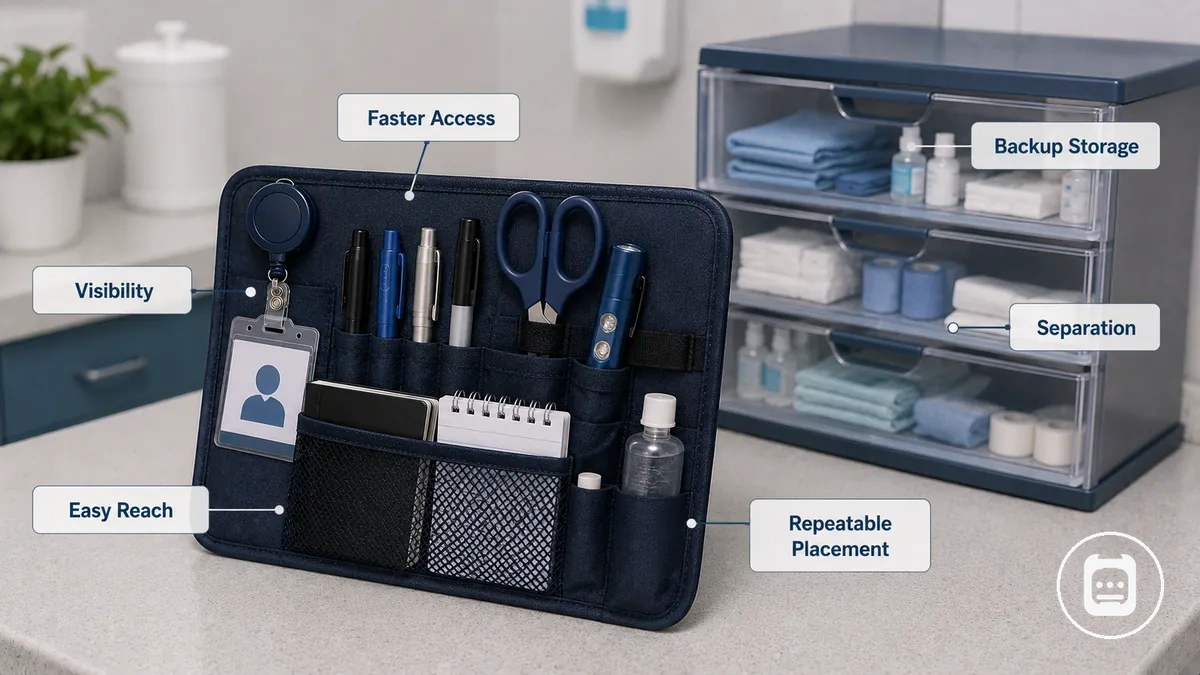
Visibility helps commonly needed items remain easy to identify, while reach helps keep those items available during normal work movement. Separation supports reduced mixing between different nursing accessories, and repeatable placement helps the same item return to a familiar location after use. For example, commonly needed items may stay in an easy-reach area while backup items remain in organized storage. Together, visibility, reach, separation, repeatable placement, and reduced mixing help define faster access.
Nursing accessory organization can support access and personal workflow, but it does not replace workplace policy, cleaning rules, or personal clinical judgment.
Which nursing accessories need priority access
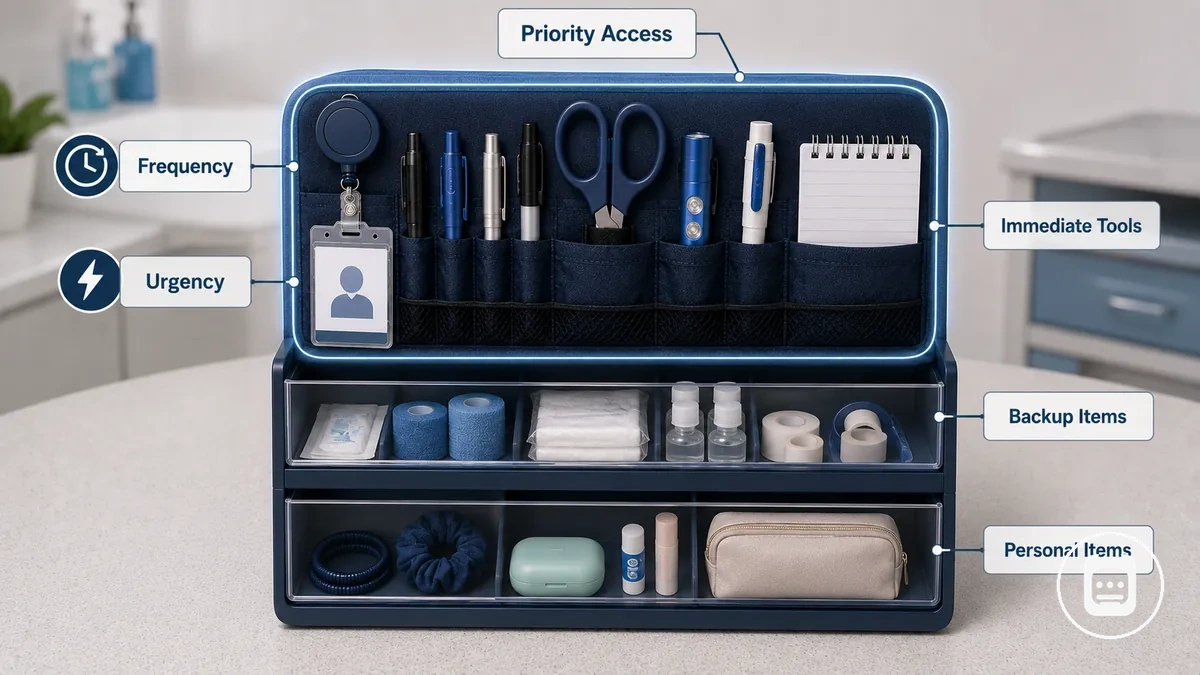
Priority access should go to nursing accessories that are used most often, needed quickly, or difficult to replace during a task. Nursing accessories should be prioritized according to how they support shift activities rather than by a fixed ranking. Frequency and urgency are the primary criteria for determining priority access.
Priority access depends on frequency, urgency, contamination risk, and replacement importance. The table below compares accessory groups by criterion, storage condition, and access effect.
| Access group | Priority criterion | Storage condition | Access effect |
|---|---|---|---|
| Immediate-access tools | High frequency and high urgency | Quick-reach location | Reduces access delay during routine tasks |
| High-use tools | Frequent use | Visible organized storage | Supports consistent retrieval |
| Items with contamination risk | Separation requirement | Dedicated storage condition | Helps maintain organized separation |
| Backup items | Replacement importance with lower urgency | Greater storage depth | Available when primary items need replacement |
| Personal items | Lower priority and lower urgency | Separate storage area | Reduces mixing with nursing accessories |
Priority can vary by role, department, and workplace rules. An accessory group that functions as an immediate-access tool in one setting may be treated as a backup item in another. Context described in work-shift accessory needs can influence which nursing accessories require higher priority access during a shift.
Frequently used clinical tools and small supplies
During repeated shift activities, frequently used tools and small supplies benefit from placement that supports quick retrieval. Frequent use increases the value of pocket-level access, while repeated handling can make visibility more important. Repeated use often supports top-layer access and higher placement priority.
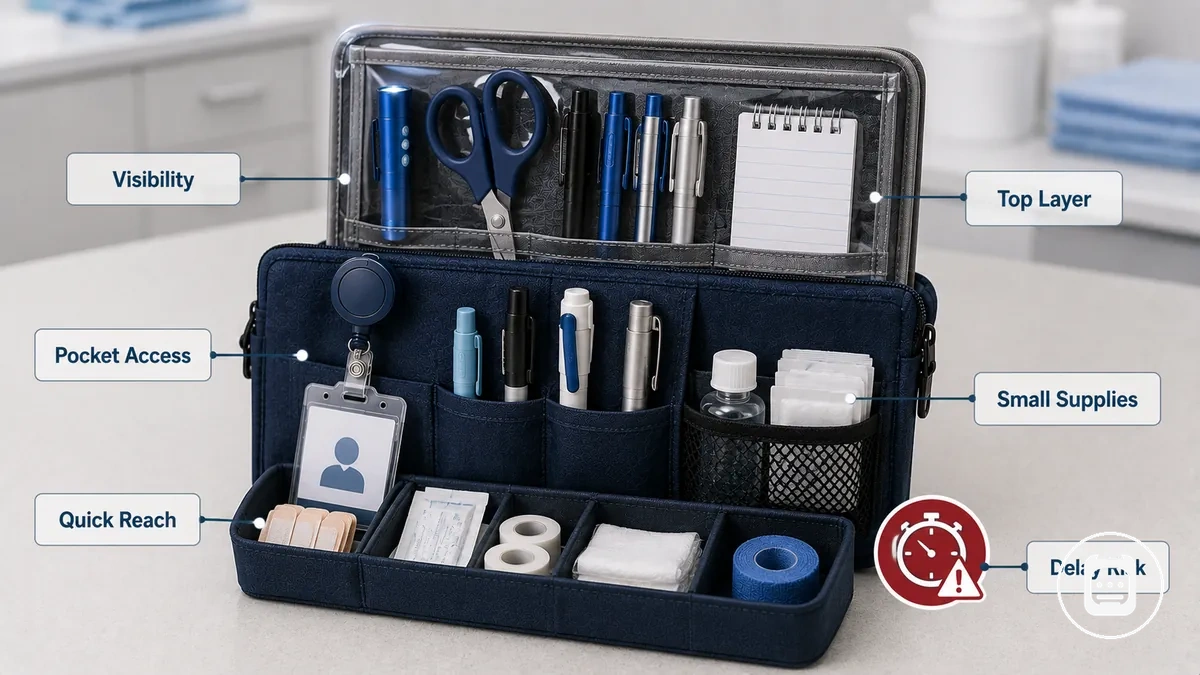
The examples below connect item type, access need, storage condition, and delay risk within a local access arrangement.
- Compact tools — frequent handling may support pocket-level access, with visible separation that can reduce delay risk during routine tasks.
- Quick-reach supplies — repeated use may justify top-layer access, helping maintain visibility and reducing unnecessary searching.
- Daily-use items — accessible placement can support consistent retrieval when delay risk increases with repeated access.
- Small supplies — separated storage condition can help reduce mixing while keeping commonly used items easy to identify.
- Role-specific tools — placement may depend on local responsibilities, with pocket-level access used when quick reach is beneficial.
Backup, personal, and lower-priority items
Backup items, personal items, and lower-priority items should remain accessible without competing with frequently used tools for immediate space. Backup items and spare accessories may be needed less often, but organized retrieval still supports efficient access when replacement needs arise. Secondary access remains important while staying separate from priority access.
Storage depth helps organize item roles according to access frequency. The comparison below shows how backup items, personal items, spare accessories, and non-urgent items can remain accessible without occupying the most immediate storage locations.
| Item role | Suggested access depth |
|---|---|
| Backup items | Deeper storage with organized retrieval access |
| Spare accessories | Secondary storage depth based on access frequency |
| Personal items | Separate pouch or storage area when workplace suitability requires separation |
| Lower-priority items | Deeper storage suited to lower access frequency |
| Non-urgent items | Accessible reserve space that does not compete with quick-reach tools |
How to group nursing accessories by task and urgency
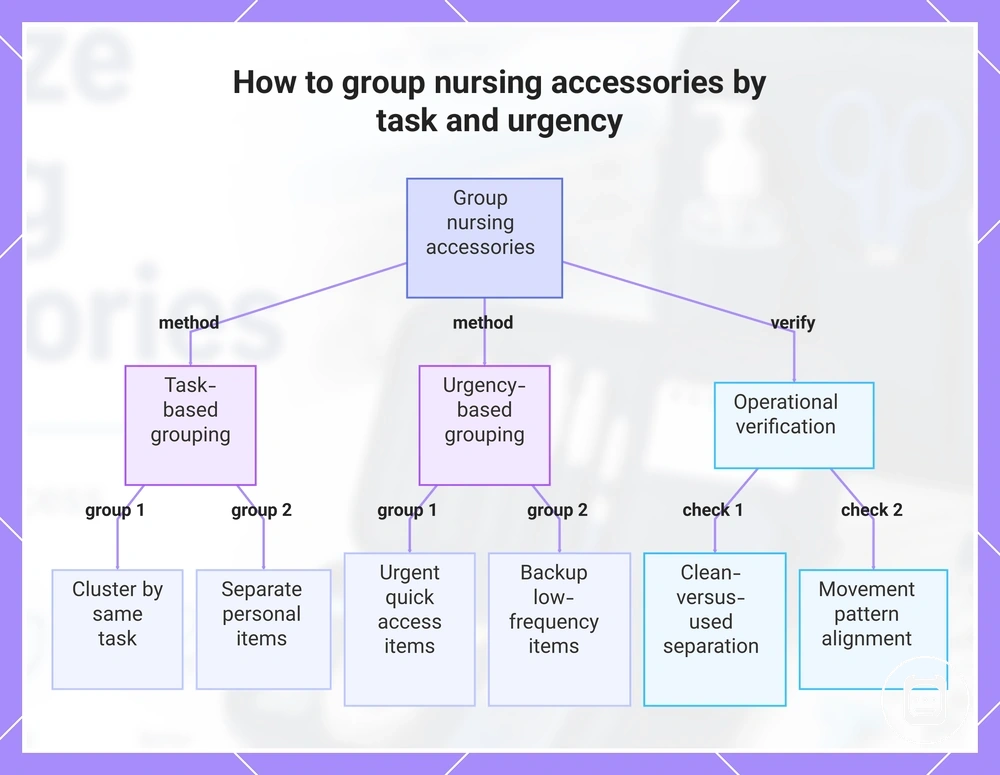
Group nursing accessories by the task they support, the urgency of access, and the movement pattern involved during a shift. This approach can reduce searching and repeated rearrangement because related items stay connected to their intended use. Task and urgency provide the primary grouping logic.
Use the checklist below to verify that each access group has a clear purpose before arranging nursing accessories.
- Task group — cluster accessories used for the same task so related items remain organized together.
- Urgent-use group — separate items that may require quicker access from items used less often.
- Backup group — keep lower-frequency items available for readiness without placing them in the primary access area.
- Personal group — separate personal items from nursing accessories when workplace rules or suitability require it.
- Clean-versus-used separation — maintain separation between clean items and used items when organization depends on handling status.
- Movement pattern check — arrange each access group according to how often movement during the shift requires retrieval.
Grouping may vary by shift routine, workplace rule, and access needs. For example, a shift with frequent movement may place greater emphasis on urgent-use access groups, while a more stationary shift may rely more on task groups. The grouping method should keep task, urgency, and movement pattern connected without creating a universal routine.
This chart shows how to organize nursing accessories using task-based and urgency-based grouping methods, plus verification checks to ensure each group serves a clear purpose.
Organizer formats for pockets, pouches, inserts, and belts
Organizer formats depend on access position, capacity, portability, and stability during movement. Pockets, pouches, inserts, and belts solve different storage and access needs, so format selection should match how nursing accessories are carried and reached during a shift. The role of organizer format is to balance reach, capacity, and movement requirements.
The comparison below highlights how organizer formats differ by access position, capacity trade-off, and intended use.
| Organizer format | Access position | Capacity trade-off | Best use case |
|---|---|---|---|
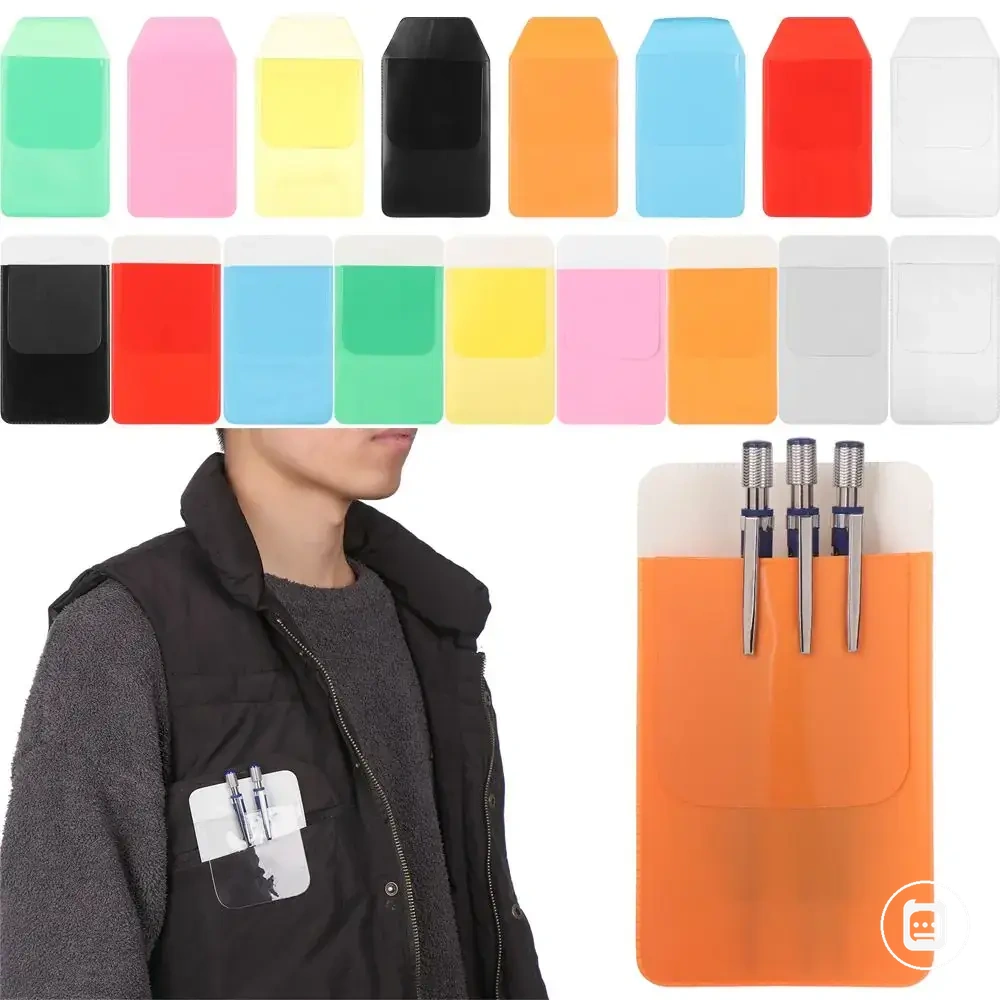
| Pocket organizer | Close to immediate reach | Lower capacity with higher visibility | Compact tools and frequently accessed items |
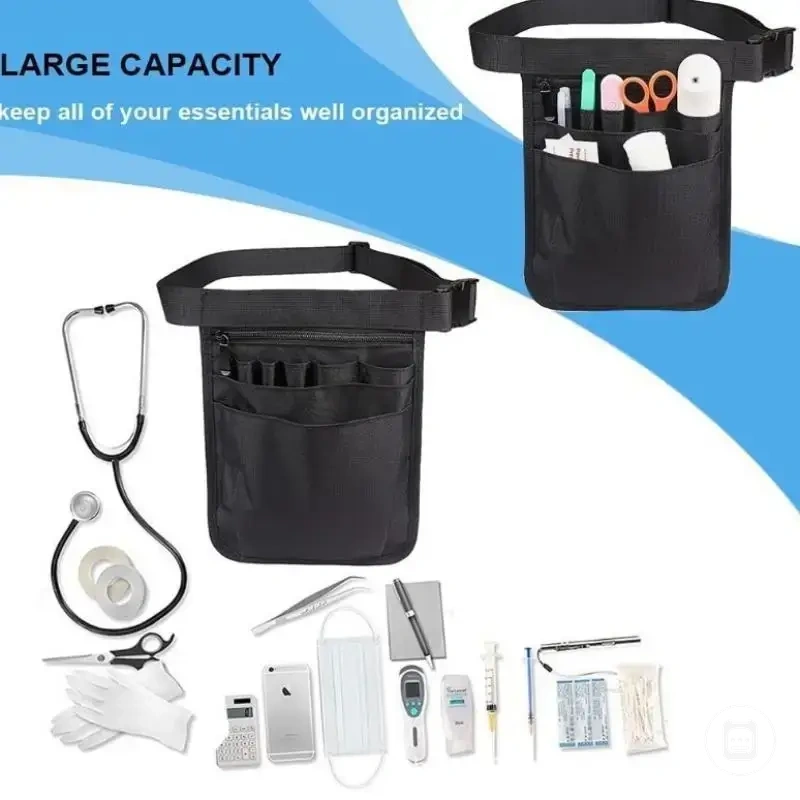
| Utility pouch | Attached or carried near the body | Moderate capacity with portable access | Items that benefit from hands-free access during movement |
| Bag insert | Inside a larger storage system | Higher capacity with reduced immediate reach | Backup storage, compartments, and item separation |
| Belt organizer | Waist-level access position | Accessible storage with movement considerations | Tools that may require repeated retrieval while moving |
Organizer formats involve trade-offs between capacity and reach. A smaller organizer format may be appropriate when visibility, portability, and access matter more than storage volume. A larger organizer format may provide additional capacity, but reach can depend on storage position, stability, and access frequency.
Organizer formats also differ in hygiene handling, separation, and suitable accessory types. A pocket organizer may suit compact tools when weight remains manageable, a utility pouch may support movement and security, and a bag insert may help separate backup storage from frequently used accessories. Decisions about broader bag-level storage can be explored through nurse bag essentials.
Format choice may vary by shift movement, carried accessories, and workplace expectations. Users evaluating compact carry needs can continue with portable nursing accessories to compare portability considerations with storage capacity.
Pocket organizers for compact essential tools
Pocket organizers are suitable when compact tools need fast reach without using a full bag. Pocket organizers are most effective for a limited count of compact essentials rather than larger accessory collections.
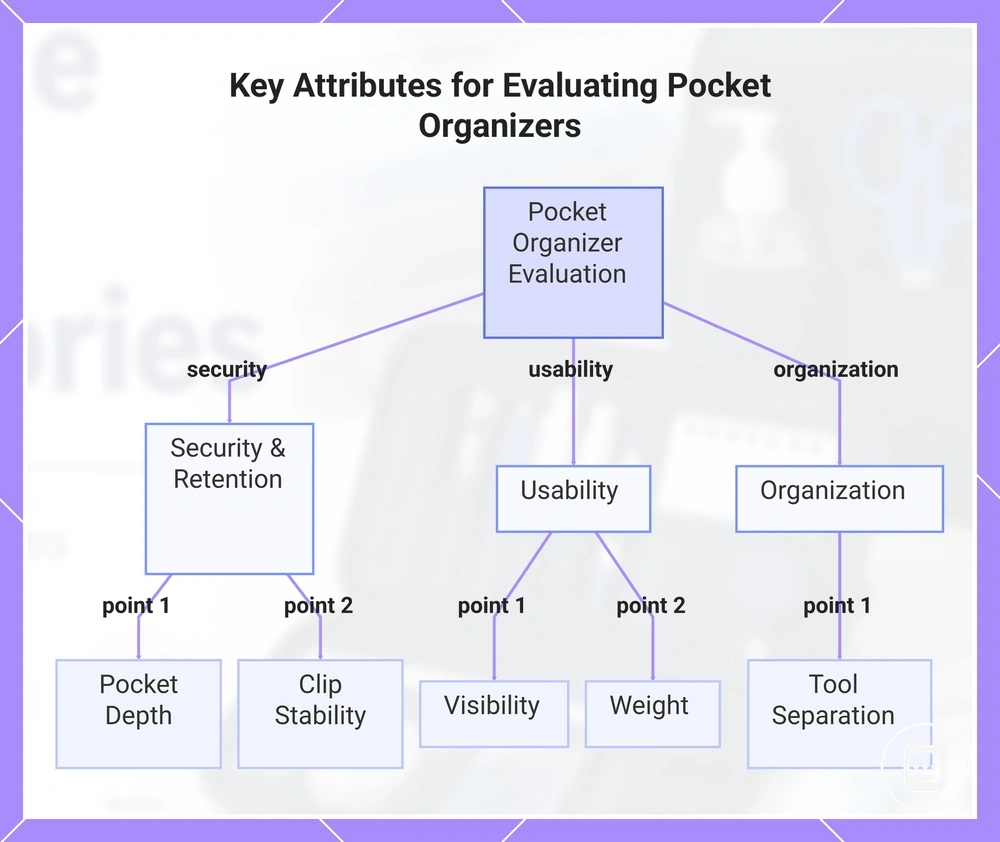
The attributes below help evaluate whether pocket organizers fit the intended use for compact tools.
- Pocket depth: Pocket depth may influence how securely compact tools remain in place when movement increases during a shift.
- Clip stability: Clip stability can affect security and retention when a pocket organizer is attached and removed repeatedly.
- Visibility: Higher visibility may support faster retrieval by making compact tools easier to identify.
- Weight: Weight can affect comfort and accessibility, especially when item count increases beyond compact essentials.
- Tool separation: Tool separation may help reduce mixing and support more consistent retrieval of compact tools.
This chart shows the main evaluation attributes for pocket organizers, grouped by security, usability, and organization.
Utility pouches and belt organizers for hands-free access
When pockets are limited or movement is frequent, a utility pouch or belt organizer may provide hands-free access to essential nursing accessories. These body-worn organizers change reach and weight distribution by moving storage away from pockets, making hands-free access more practical during active movement.
The comparison below highlights local selection factors for utility pouches and belt organizers. Workplace rules may affect suitability when attachment method, cleanability, or organizer placement influences what can be worn during a shift.
| Pouch or belt factor | Why it matters |
|---|---|
| Attachment method | The attachment method can influence reach, retention, and positioning during movement. |
| Compartment security | Compartment security may help keep accessories organized and reduce shifting during repeated access. |
| Hands-free access | Hands-free access can support retrieval when pockets provide limited storage space. |
| Cleanability | Cleanability may affect suitability when workplace rules require routine cleaning or maintenance. |
| Movement interference | Movement interference can vary based on organizer size, attachment location, and how frequently the wearer moves during a shift. |
Bag inserts for separated storage without turning the bag into the main system
Bag inserts are most useful when separated storage is needed for nursing accessories that do not require immediate retrieval. Bag inserts can improve visibility, compartments, and transfer between bags, but they should not become the only access system for frequently used items. Bag-level storage supports organization, while pocket-level access remains more suitable for immediate items.
The checklist below highlights selection attributes that help determine whether a bag insert supports the intended storage role.
- Check whether insert size matches the available bag space and the amount of separated storage needed.
- Check whether compartment count supports clear separation between accessory groups and backup-item storage.
- Check whether removable sections may simplify transfer between bags when storage needs change.
- Check whether compartment layout maintains visibility so stored accessories remain easy to identify.
- Check whether clean separation helps keep backup items distinct from items that need more frequent access.
Compartment layout that reduces searching and mixing
Compartment layout starts by assigning consistent locations to accessory groups so searching, mixing, and repeated repositioning become less likely. The goal is not to create one arrangement for every nurse, bag, pouch, or department, but to convert priority and grouping decisions into a repeatable storage pattern. A repeatable compartment layout becomes the practical solution when item count, organizer type, and access needs vary.
Use the steps below to turn storage decisions into organized compartments with predictable access paths.
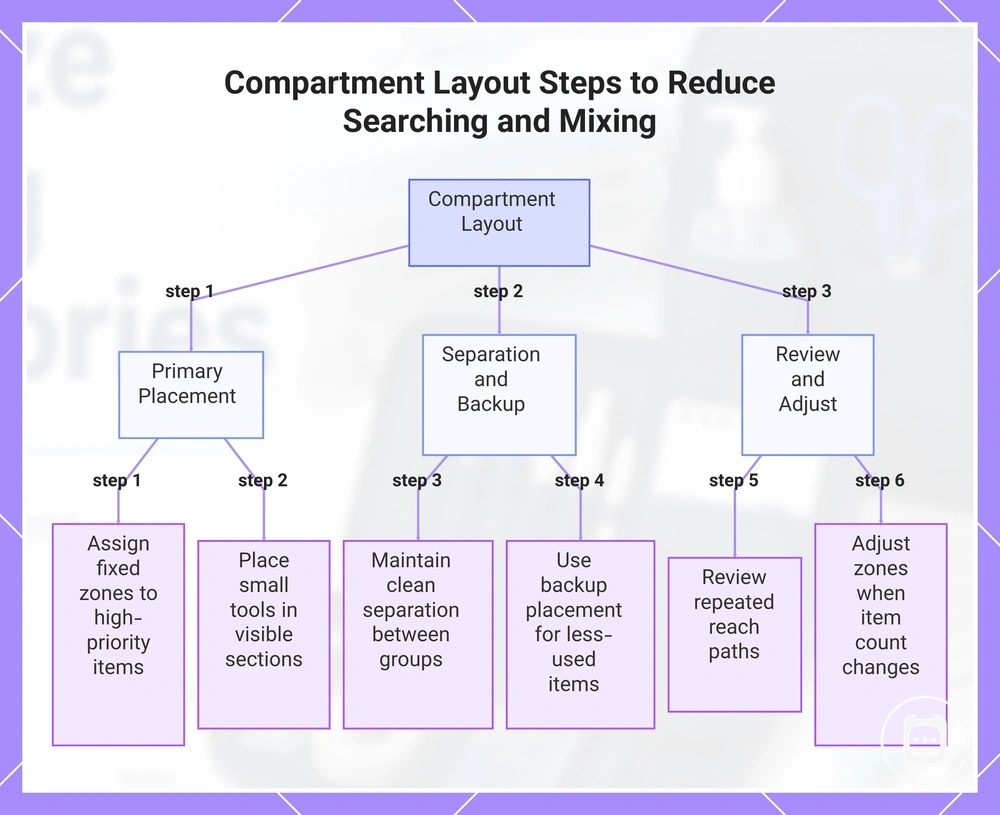
- Assign fixed zones to high-priority items when frequent retrieval is expected, so repeated reach paths remain more consistent.
- Place small tools in visible sections when quick identification is important, which can help reduce searching during routine access.
- Maintain clean separation between item groups when workplace rules or handling conditions require distinction, helping reduce mixing.
- Use backup placement in deeper storage zones when items are needed less often, supporting readiness without occupying primary access space.
- Review repeated reach paths based on organizer type and movement patterns so commonly used items remain easier to locate.
- Adjust storage zones when item count changes, helping compartments continue to match current access frequency and storage needs.
EAV logic can guide compartment layout by connecting the entity, its attributes, and the intended access outcome. For example, a frequently used tool may be placed in a visible section because consistent retrieval is the desired effect. Fixed zones, visible sections, clean separation, backup placement, and repeated reach paths each support a different access outcome within the same layout pattern.
A nurse using organized compartments in a pouch may place frequently used tools in visible sections while backup items remain in deeper storage zones. In this scenario, the compartment layout separates immediate retrieval needs from backup-item storage without requiring every item to share the same access path.
Compartment layout works best when fixed zones, visible sections, clean separation, backup placement, and repeated reach paths are matched to item type, role, and access frequency. The decision logic should remain flexible because organizer design, workplace rules, and storage requirements can vary between users.
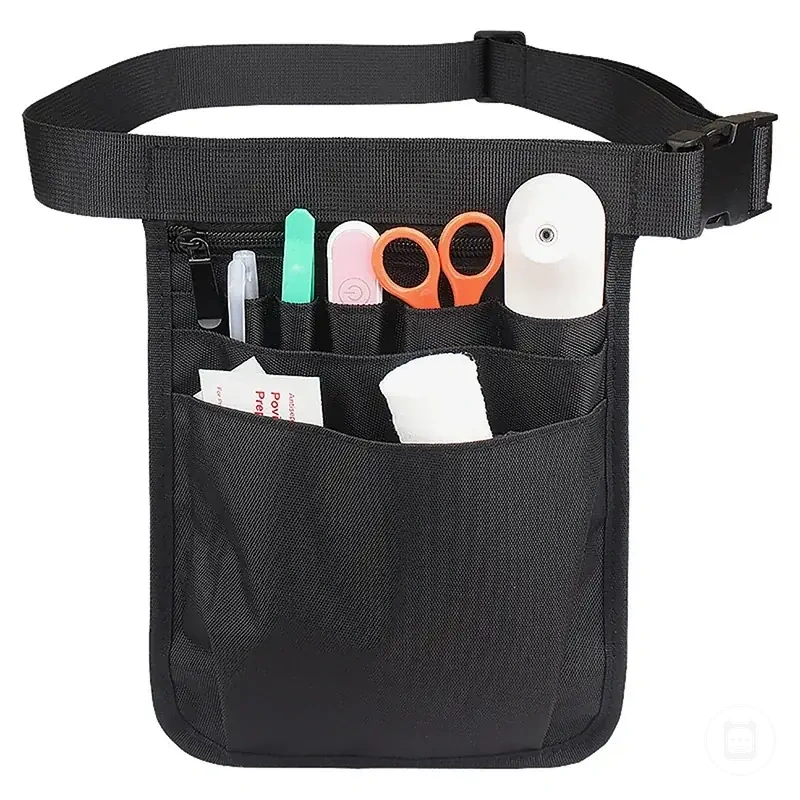
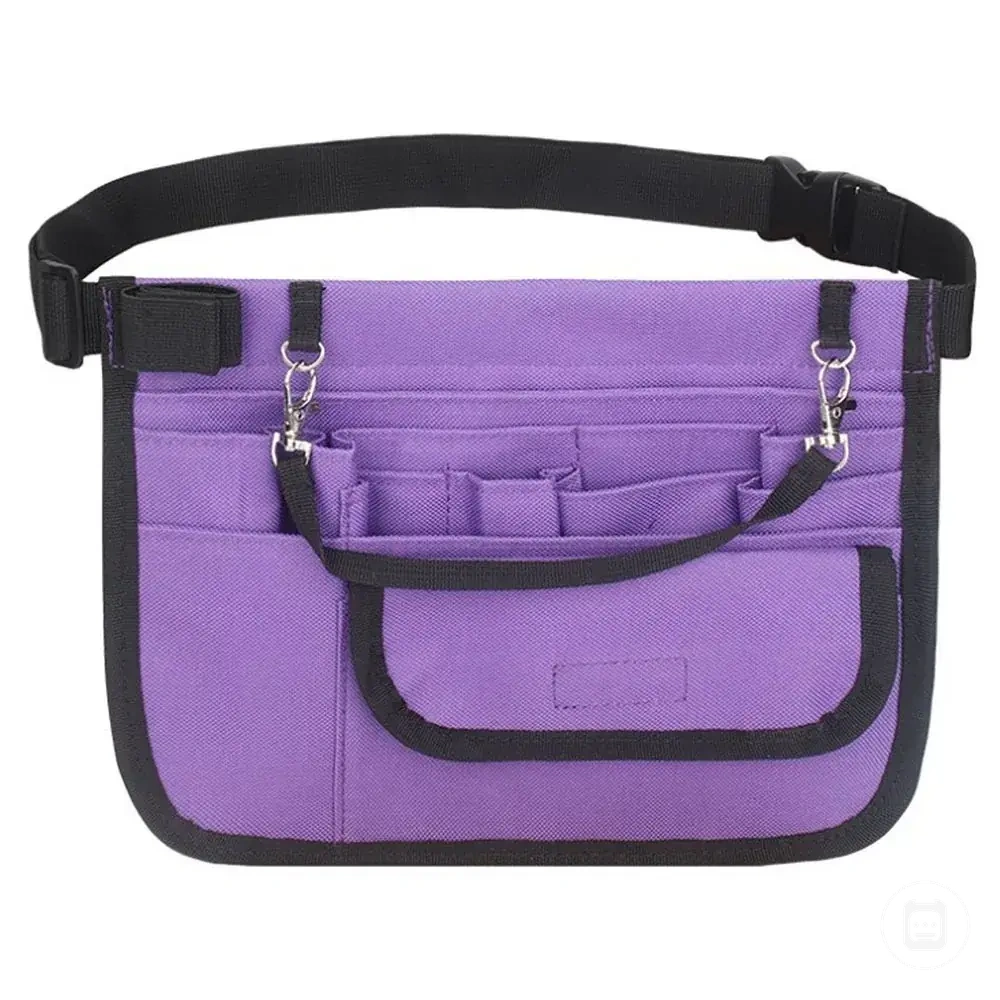
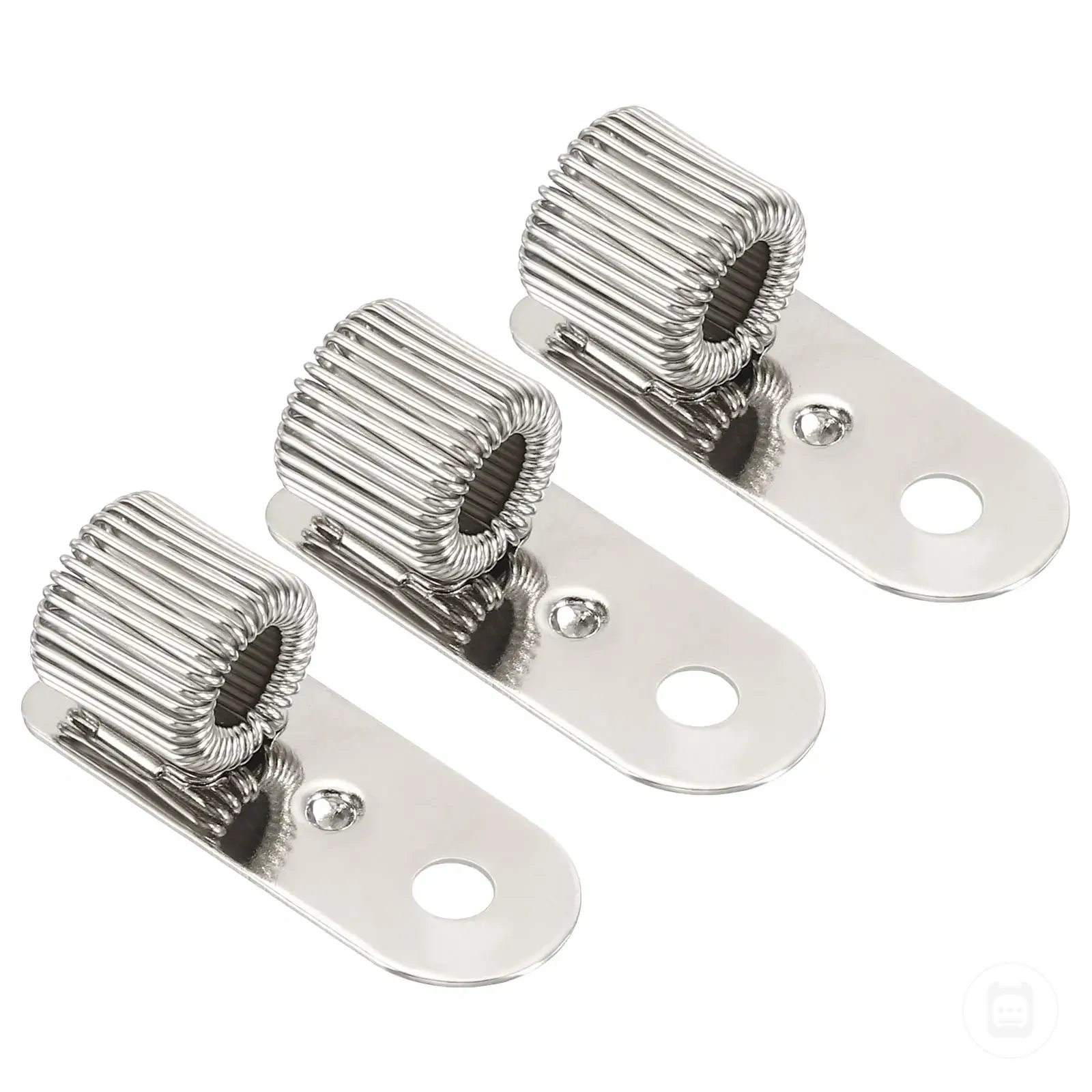
The products below are useful examples for comparing available options. Before buying, check that the compatibility criteria, key features, and product details match your needs.
This chart shows the key steps and principles for organizing compartments to minimize searching and mixing, based on item priority and access frequency.
Visible, zippered, and fixed compartments
Visible compartments, zippered compartments, and fixed compartments are layout attributes that control how accessories are identified, contained, and positioned within an organizer. Visible compartments support retrieval speed, zippered compartments support closure security, and fixed compartments support separation through stable placement, affecting speed, security, and separation.
The table below shows what each compartment type controls and how it can influence access behavior under different storage conditions.
| Compartment type | Attribute controlled | Useful condition | Access effect |
|---|---|---|---|
| Visible compartments | Visibility | When quick checks and item identification are needed | Can support retrieval speed by reducing searching |
| Zippered compartments | Closure security | When loose items require containment or mixing is a concern | May help maintain separation and reduce unintended movement |
| Fixed compartments | Stable position | When repeated reach paths benefit from consistent placement | Can support predictable access and organized separation |
Placement consistency for repeated shift movements
Placement consistency helps the same item return to the same location after repeated use during a shift. When repeated shift movements cause items to move between pockets, compartments, or pouch positions, the reach path can become less predictable and retrieval may require additional searching. Maintaining placement consistency supports a repeatable return location.
Use the cues below to verify whether placement consistency remains effective throughout the shift:
- Check whether frequently used items return to the same location after repeated use, supporting a repeatable placement habit.
- Check whether the reach path remains similar during repeated shift movements, especially when pouch position changes during activity.
- Check whether dominant-hand access aligns with normal retrieval behavior when a preferred access side is used.
- Check whether clean separation is maintained when different item groups are stored near each other.
- Check whether a shift-end reset returns items to their intended return location, helping maintain readiness for the next use period.
Keeping organized accessories clean, secure, and shift-ready
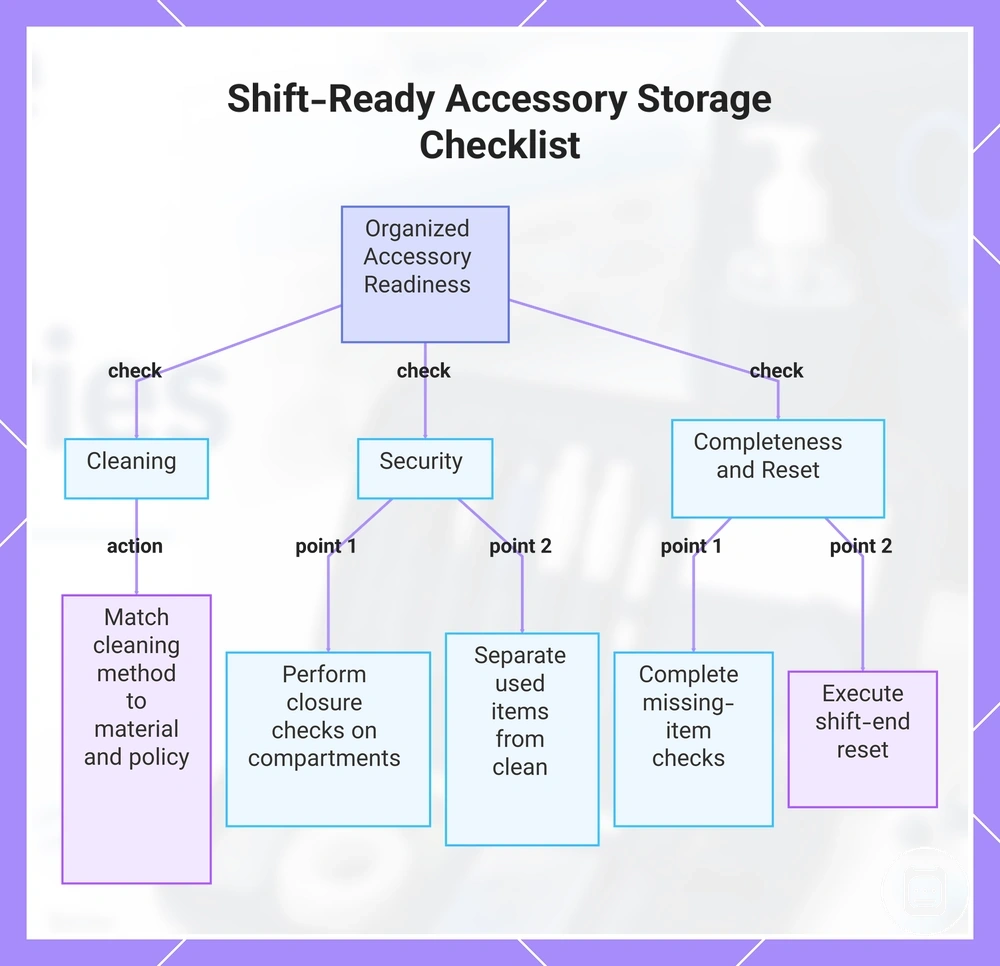
Keeping organized accessories clean, secure, and shift-ready means maintaining the organization system after shift movement, cleaning needs, and item replacement. When used items, unsecured compartments, or missing accessories interrupt the storage pattern, the system may become less reliable for future access. Readiness is supported by clean, secure, and complete storage.
Use the checklist below to verify that the organization system remains usable throughout and after a shift.
- Check wipeable surfaces using a cleaning method that matches the accessory material and workplace policy.
- Verify that used items remain separated when handling status affects storage organization.
- Perform closure checks on pockets, pouches, or compartments to help keep secured items in place.
- Complete missing-item checks so expected accessories remain available in their intended locations.
- Use a shift-end reset to return accessories to their designated storage positions.
- Review whether clean separation, secured items, and item completeness continue to support an organized storage system.
Cleaning method depends on accessory material, surface type, and workplace policy. This maintenance approach helps keep the organization system usable after shifts, but it does not replace dedicated cleaning guidance or provide hygiene guarantees.
This chart shows the main checks to keep organized accessories clean, secure, and ready for the next shift.
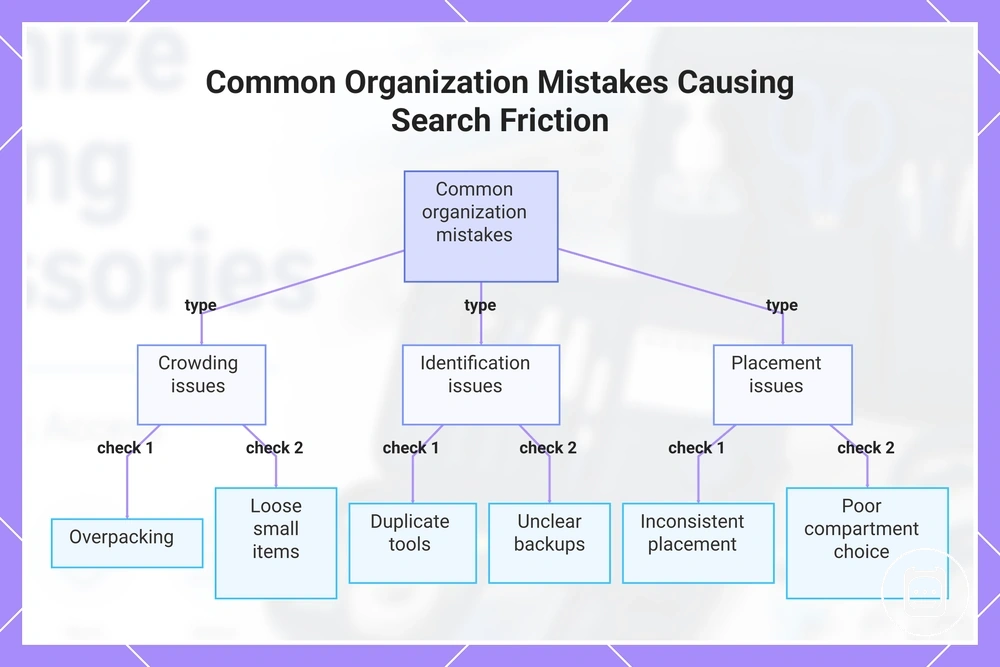
Common organization mistakes that slow access
Access usually slows when too many items compete for the same space, priority items move locations, or clean and used items are not separated clearly. These organization mistakes can make retrieval less predictable and increase searching during repeated use. The result is search friction.
Use the diagnostic checks below to identify where access problems may be developing within the organization system.
- Overpacking: Overpacking places too many items in the same space, which can increase searching and create delay. A correction signal is reducing competition between stored items so important accessories remain easier to locate.
- Duplicate tools: Duplicate tools can create clutter and confusion about which item belongs in the primary position. A correction signal is assigning a clearer priority role to each tool.
- Loose small items: Loose small items may shift, mix, or become harder to find. A correction signal is using a compartment choice that better matches item size and containment needs.
- Inconsistent placement: When items return to different locations after use, repeated reach patterns become less predictable and missed items become more likely. A correction signal is maintaining a consistent return location.
- Unclear backups: Unclear backups can make primary and reserve items harder to distinguish during retrieval. A correction signal is keeping backup storage separate from regular-use storage.
- Poor compartment choice: A poor compartment choice may contribute to mixing, reduced security, or misplaced items, depending on item type and organizer size. A correction signal is matching compartment use to storage needs.
Most storage mistakes can be improved through small adjustments to priority, grouping, layout, or maintenance habits rather than replacing the entire organization system. The appropriate correction depends on the storage setup and shift context, but the goal remains reducing search friction through more predictable storage behavior.
This chart groups the common organization mistakes that slow access into three categories and lists the specific diagnostic checks for each.